November 21, 2026 · spaceage, sound-design, the-ghost-mariners, music
Testing the SpaceAge microDAW by designing expressive lead sounds led, by accident, to a whole new album of Ghost Mariners material. Two early tracks to stream.
November 20, 2026 · sound-design, production, sample-squad, drums
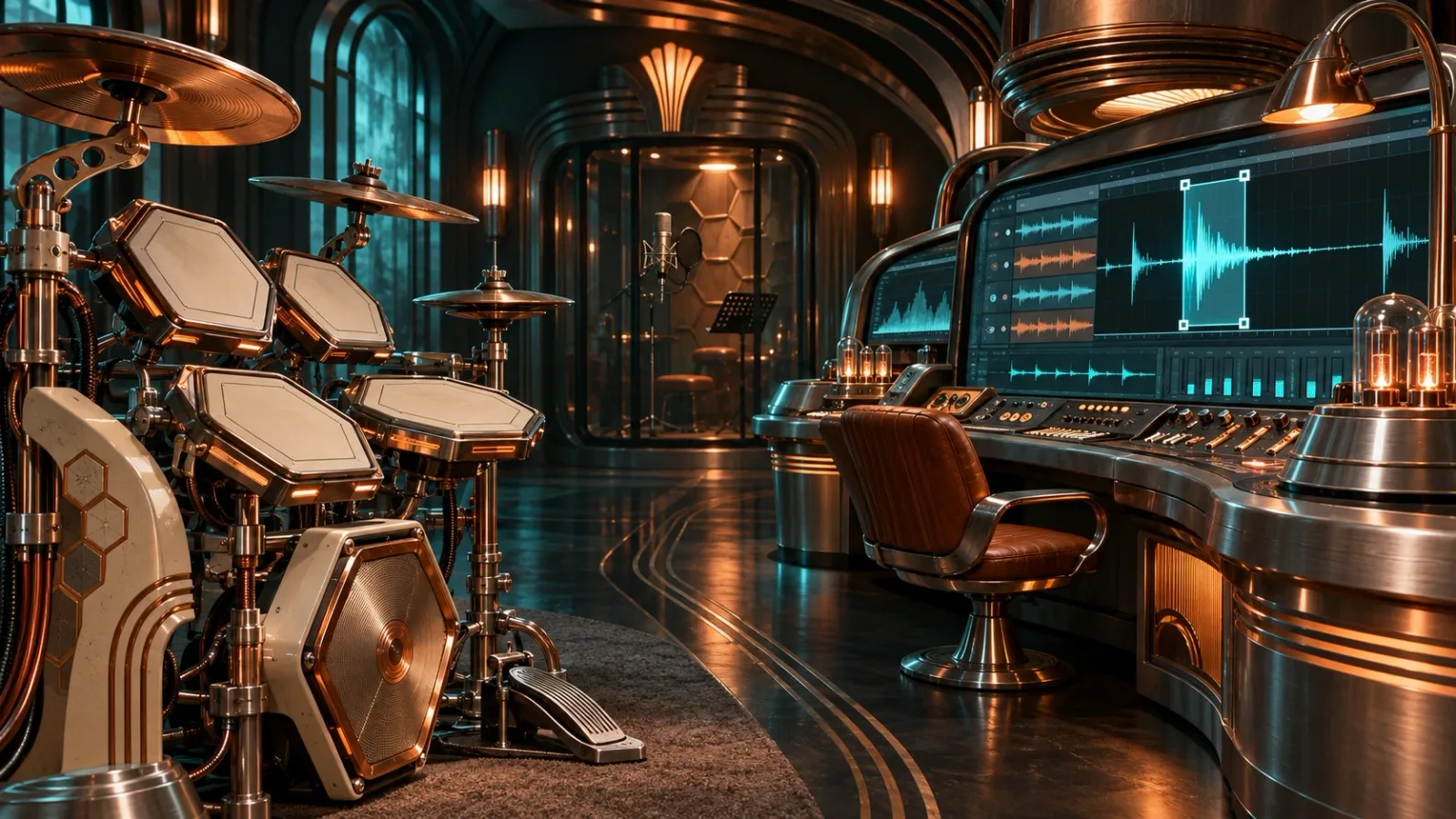
A practical guide to drum sample layering, phase alignment, and turning free drum samples into a polished WAV with Sample Squad Drum Forge.

November 10, 2026 · digital-art, ai, illustration, visual-effects
On AI-assisted prop and costume replacement in illustration work, and how it inherits older problems already solved by matte painting, animation model sheets, and studio asset pipelines.
October 25, 2026 · music, dark-ambient, sound-design, production
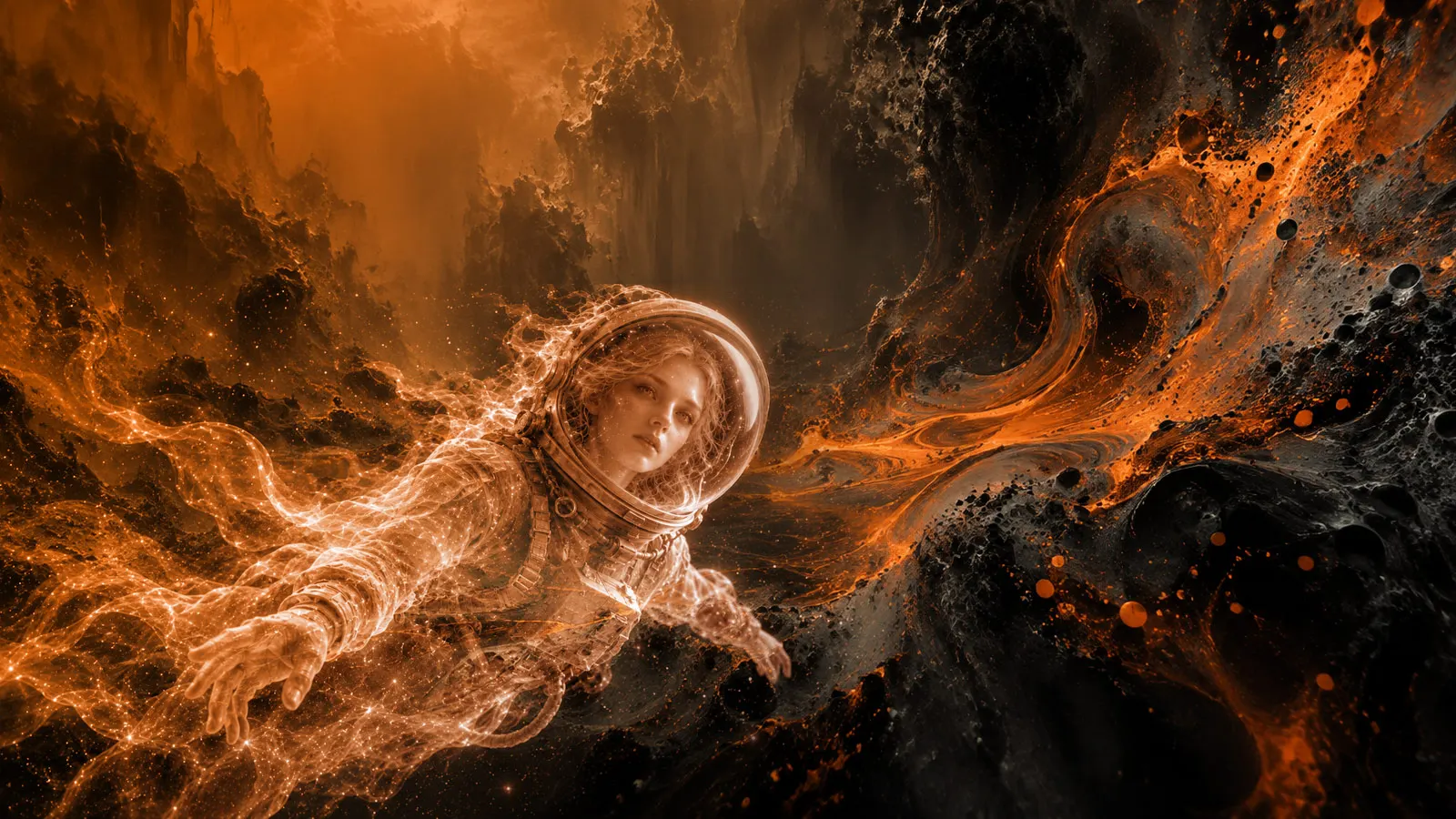
Notes on composing dark ambient music — building a concept, gathering and processing found sounds, shaping mood with reverb and negative space, call-and-response without a beat, and giving a piece an overall shape.
October 5, 2026 · internet-culture, psychology, society
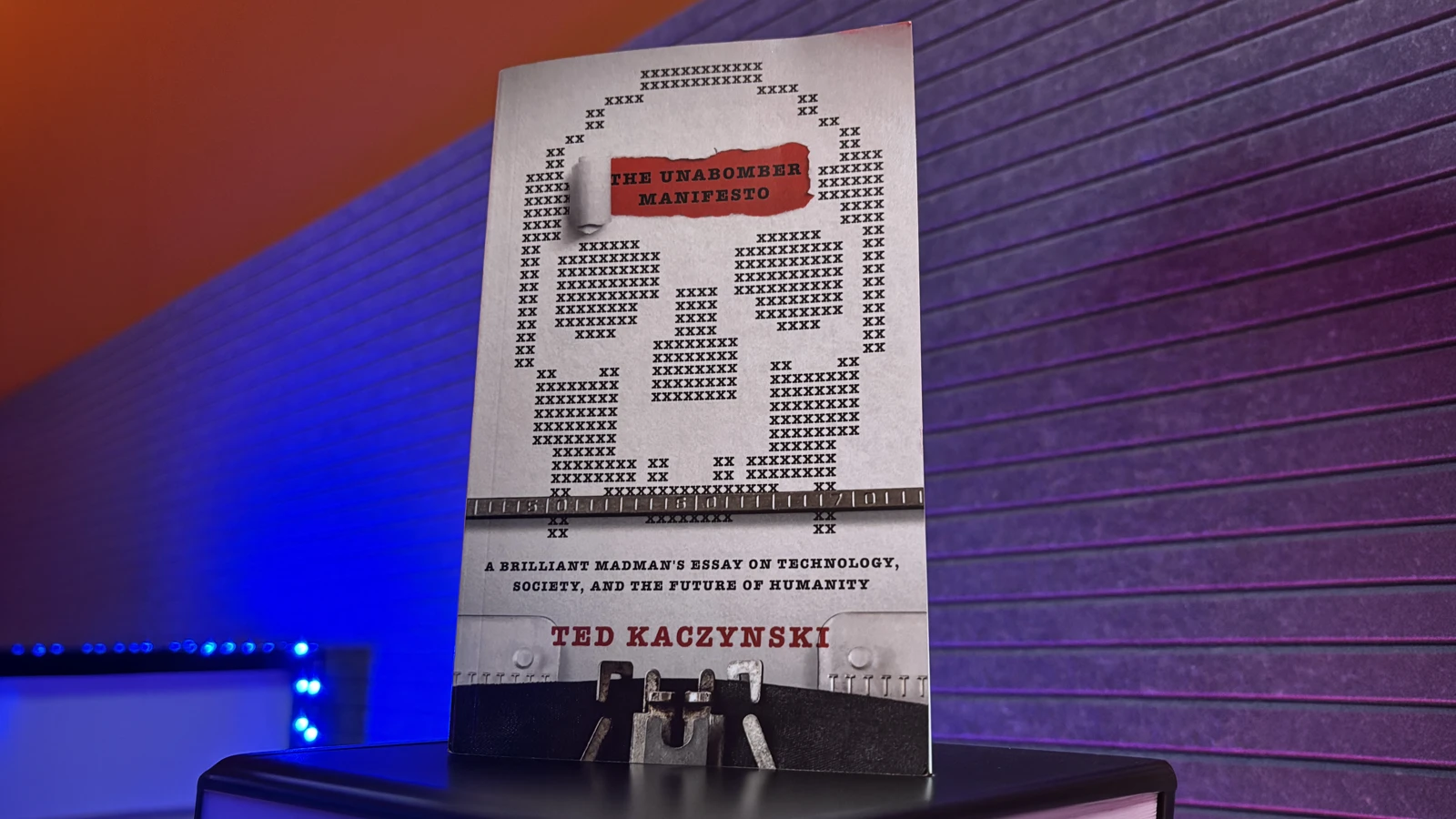
On the psychology of chronically hostile online posters — grievance as identity, an inability to tolerate curiosity and ambiguity, and how anonymity and the like button turn contempt into a performance.

October 3, 2026 · ai, ai-safety, society
What happens when humanity builds systems whose capabilities exceed its ability to supervise them — recursive self-improvement, the alignment problem, economic disruption, AI warfare, and the quieter risk of losing the ability to say no.
October 1, 2026 · spaceage, software, daw, sample-squad
Why SpaceAge is built as a bounded, coherent instrument rather than an all-purpose DAW — conceptual economy, shared modulation logic, and the case that a closed but deep ecosystem builds mastery faster than unlimited plugin support ever could.
September 30, 2026 · interview, fm-synthesis, dx7, sound-design
An interview with Nori Ubukata, one of the original Yamaha DX7 sound designers and co-creator of the Shofuku cartridges, on trial-and-error patch programming, the DX7’s missing filter, revisiting Shofuku for Arturia’s DX7 V, and his Thérésyn and Therewaves theremin-synthesis instruments.
September 26, 2026 · composition, creativity, production
A follow-up experiment in deliberate limitation — four instruments, one preset each, one reverb, one delay — and what happens to arrangement, sound design, and revision once the studio closes almost completely.
September 25, 2026 · composition, creativity, production
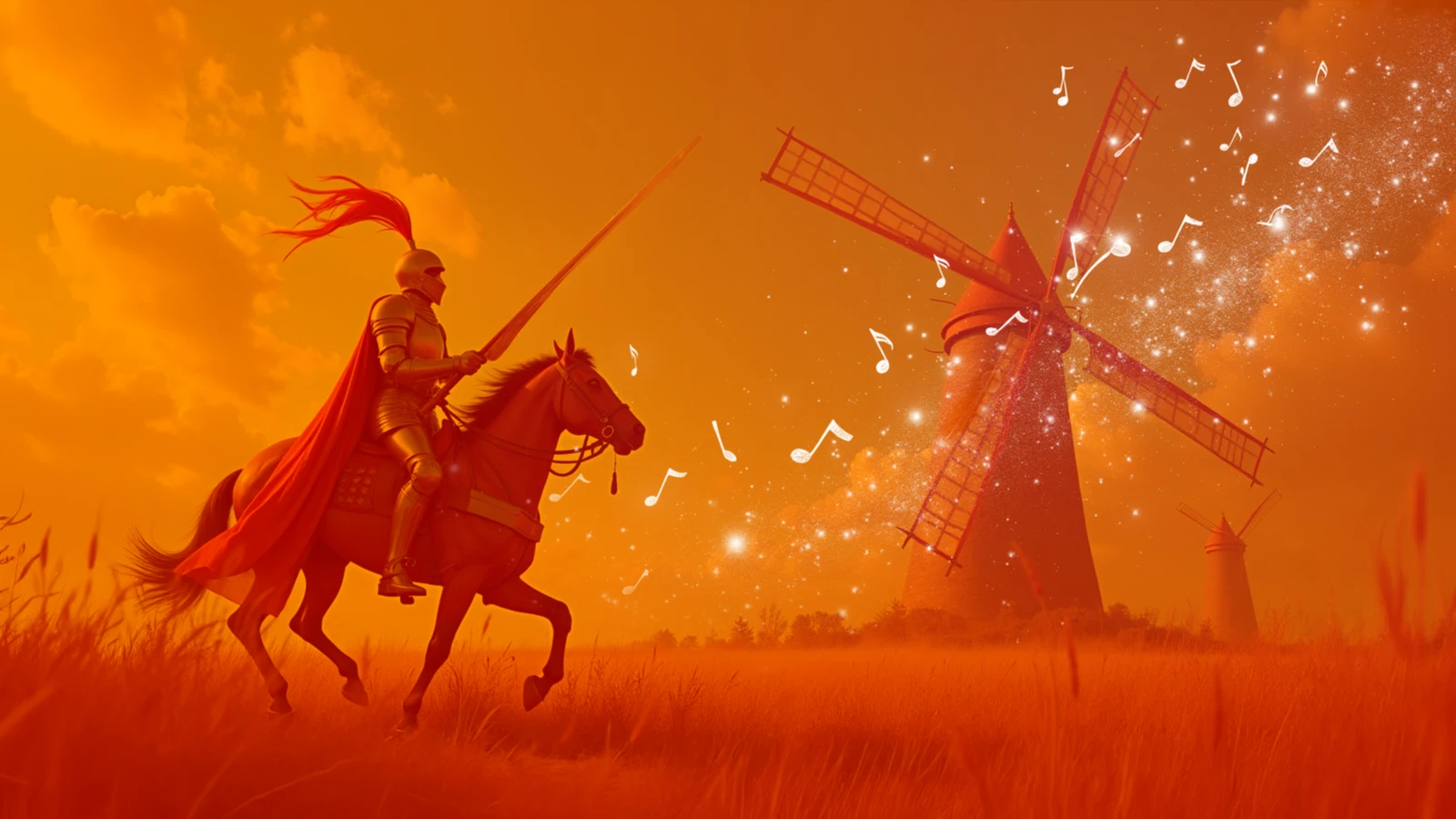
A thought experiment for a home studio with too many options — eight VST instruments, three presets each — and what The Beatles, Kaizen, and deliberate limitation can teach about finishing music instead of endlessly auditioning it.
September 23, 2026 · spaceage, sample-squad, sound-design, synthesis
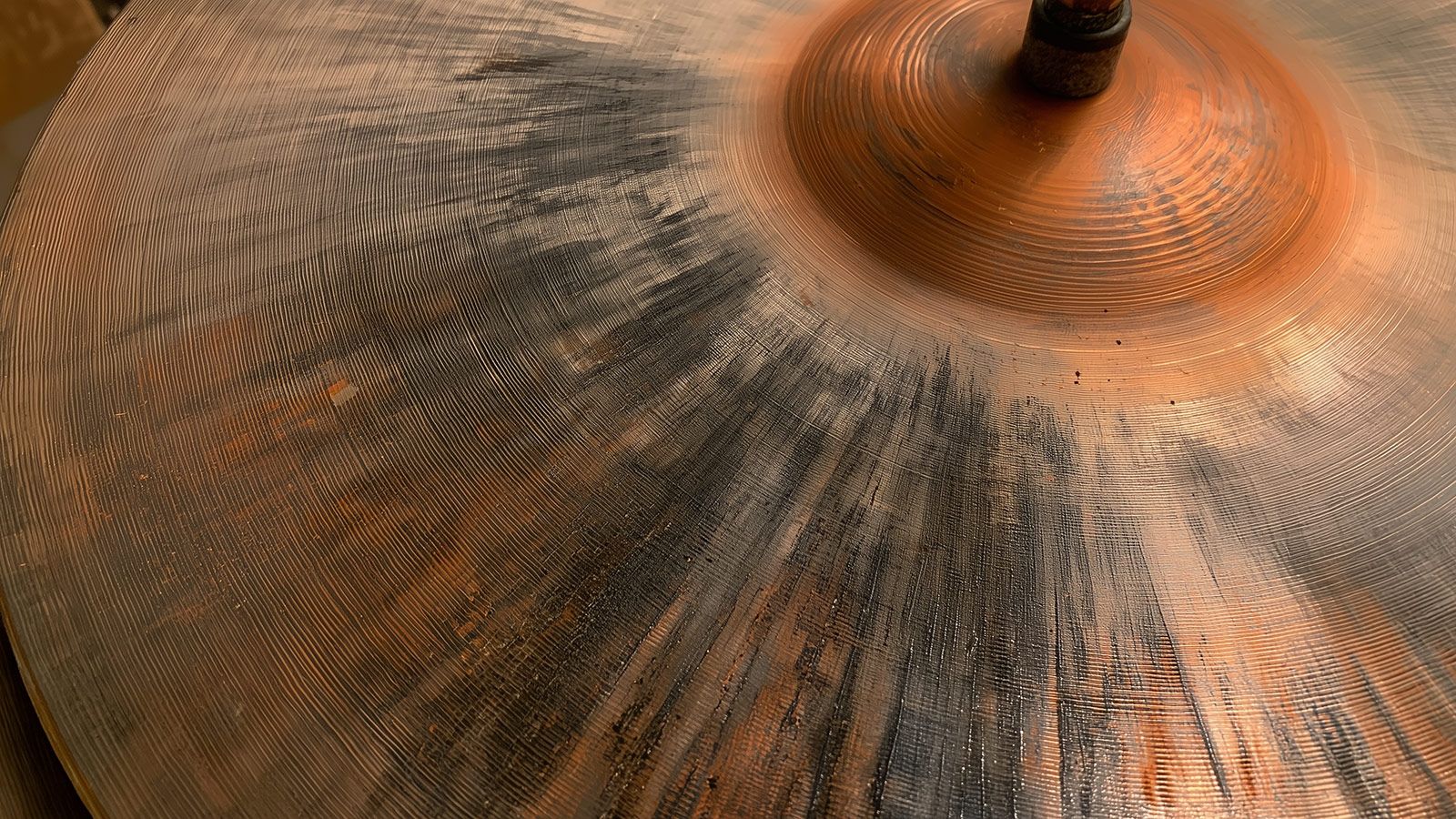
Designing SpaceAge’s Hat Lab synth led me to a simple idea, Flux Nodes, which let a parameter wander within a musically useful range instead of jumping between wildly different sounds.
September 21, 2026 · sample-squad, sound-station, audio, software
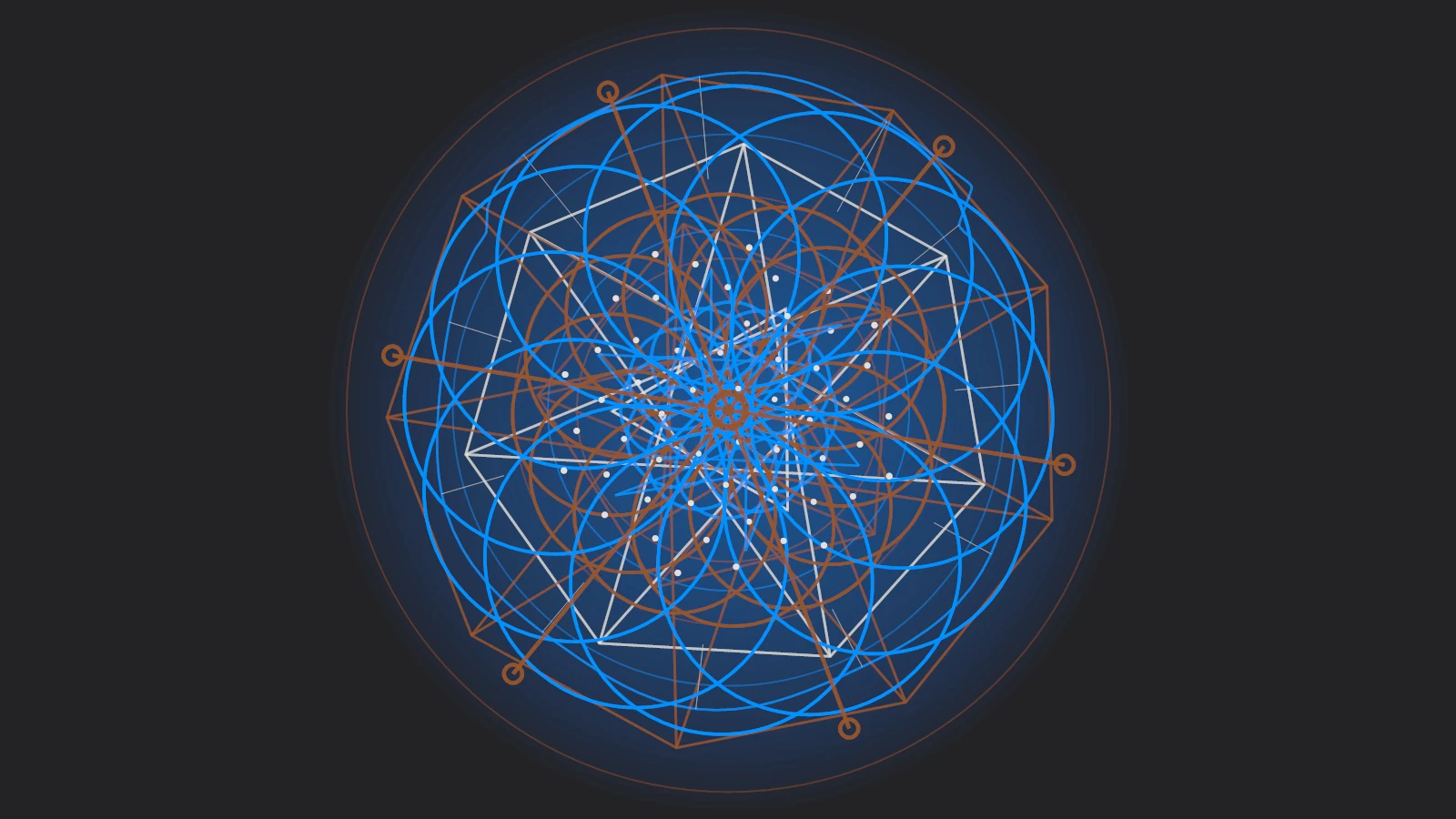
Sound Station began as a desktop media player and is growing into a place to explore, organize, edit, and transform sound, then carry finished kits into SpaceAge.
September 19, 2026 · meta
A new place to publish, now that Facebook is gone. Subscribe to the RSS feed and buckle up for what’s coming.